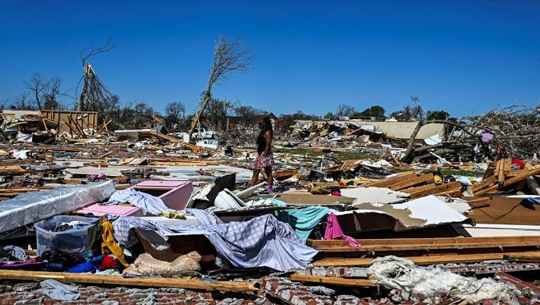
Tornadoes, nature's most violent storms, strike with terrifying speed and destructive force, leaving a path of devastation in their wake. While no one can prevent a tornado, mastering a comprehensive emergency plan is your most powerful defense. Every year, communities across the United States, including those in Michigan, leverage vital initiatives like the Statewide Tornado Drill: Prepare for Severe Weather Now to hone their readiness. This guide will walk you through building a robust tornado safety plan, from understanding the threat to perfecting your drill strategy, ensuring you and your loved ones are prepared when every second counts.
Understanding the Threat: Why Tornado Preparedness Matters
The numbers don't lie: over 1,000 tornadoes rip through the United States annually, with Michigan experiencing its share, averaging around 15 each year. Some years, this number can be significantly higher, as seen when 16 tornadoes were reported across Michigan, with a record six striking the Upper Peninsula alone. Since 1950, a staggering 1,025 tornadoes have impacted Michigan, resulting in substantial loss of life and property. While these powerful storms can occur at any time, Northern Michigan typically sees increased activity during the late spring and summer months.
The most critical factor in tornado safety is time. The average lead time for a tornado to develop is a mere 10-15 minutes. This incredibly narrow window means that quick, decisive action isn't just recommended—it's absolutely essential. Imagine an EF1 tornado with 90 mph winds, like the one that developed southeast of Grand Rapids in just minutes. It was over 200 yards wide, tracked for more than five miles, damaged three barns and dozens of large trees, even throwing a metal section of a barn over half a mile. Such events underscore why your family needs to know exactly what to do and where to go *before* a warning is issued. This proactive approach is exactly what a Michigan Tornadoes: Why Every Family Needs a Drill Plan emphasizes, ensuring everyone is on the same page.
Decoding Tornado Warnings: Watch vs. Warning
Before you can react, you need to understand the alerts. There's a crucial difference between a tornado watch and a tornado warning:
- Tornado Watch: This means conditions are favorable for tornadoes to develop in or near your area. It's time to be alert, monitor weather updates, and review your emergency plan.
- Tornado Warning: This means a tornado has been sighted or indicated by weather radar, posing an imminent threat to your specific location. This is when you must seek shelter immediately.
Staying informed is paramount. Invest in a NOAA Weather Radio with a tone alert feature, sign up for local emergency alerts, and download reliable weather apps. These tools can provide those precious minutes of notice that make all the difference.
Your Emergency Plan: Crafting a Shelter Strategy
Knowing your safe place is the cornerstone of any effective tornado emergency plan. This isn't just about pointing to a room; it's about understanding the safest spots in various scenarios and practicing how to get there quickly and efficiently.
At Home or in a Building: Identifying Your Safe Zone
The safest place to be during a tornado is a low room in a house, ideally a basement, away from windows and doors. The goal is to get as many walls as possible between you and the outside. If a basement isn't an option, find an interior hallway, bathroom, or closet on the lowest floor. Again, prioritize locations away from windows, doors, and outside walls. Once in your safe spot, get under something sturdy like a workbench, a sturdy table, or a stairwell. Protect your head and neck with a pillow, blanket, mattress, or even a heavy coat.
- Basement: Go to the lowest level, under stairs or a sturdy workbench.
- No Basement: Seek an interior room on the lowest floor (bathroom, closet, hallway) away from windows.
- Mobile Homes: These offer virtually no protection. You must evacuate to a designated community shelter or a sturdy building.
Make sure everyone in your household or building, from young children to elderly family members, knows exactly what to do if a tornado warning is issued. This shared knowledge and repeated practice are critical to reducing panic and ensuring swift action.
Beyond the Home: Safety on the Go
Tornadoes don't just strike when you're at home. You need a plan for other situations:
- In a Vehicle: Never try to outrun a tornado in a car. If you can see the tornado, exit the vehicle and seek sturdy shelter indoors. If no sturdy shelter is available, lie down in a ditch or other low-lying area and cover your head. Do not shelter under an overpass, as wind can be funneled and intensified.
- Outdoors: If caught outside with no immediate shelter, lie flat in a ditch or depression, cover your head with your arms, and try to protect yourself from flying debris.
- At Work or School: Familiarize yourself with your workplace's or school's emergency plan. They should have designated tornado shelters and established procedures.
Beyond Shelter: Assembling Your Essential Emergency Kit
Your immediate shelter plan is crucial, but preparedness extends beyond the storm itself. An emergency kit, often referred to as a "go-bag" or "bug-out bag," is vital for the aftermath of a tornado, especially if you're displaced or utilities are disrupted. Aim for at least a three-day supply of essentials for every member of your household, including pets.
Key Components of Your Emergency Kit:
- Food and Water: Non-perishable food items (canned goods, energy bars) and at least one gallon of water per person, per day.
- Communication & Information: A battery-powered or hand-crank NOAA weather radio to receive critical updates, a fully charged cell phone with a portable charger, and a whistle to signal for help.
- Lighting: Flashlights with extra batteries (avoid candles due to fire risk).
- First Aid: A comprehensive first-aid kit, including any necessary prescription medications for family members.
- Personal Hygiene: Wet wipes, hand sanitizer, toilet paper, and personal hygiene items.
- Important Documents: Copies of vital family documents (identification, insurance policies, medical records) in a waterproof container. Include emergency contact information.
- Cash: ATMs and credit card machines may not work if power is out.
- Special Needs: Baby formula and diapers, pet food and extra water for animals, assistive technology.
- Comfort Items: Blankets, sleeping bags, and comfort items for children can provide a sense of security during a stressful time.
Store your kit in an easily accessible location, ideally near your designated safe room, so you can grab it quickly when a tornado warning is issued. Remember to check and refresh your kit's contents annually, paying attention to expiration dates for food, water, and medications.
Participating in a Statewide Tornado Drill: Your Practice Run
This is where preparedness truly comes to life. A statewide tornado drill is a designated opportunity for everyone—families, schools, and businesses—to practice their severe weather emergency plans without the pressure of a real threat. Often scheduled as part of Severe Weather Awareness Week, these drills are announced in advance by local news outlets, like 9&10 News, and emergency management agencies.
During a statewide tornado drill, you can expect to hear tests of various warning systems. This includes outdoor warning sirens, radio broadcasts, and countywide paging systems, all designed to simulate a real tornado warning. For example, Mercer County Sheriff Jeff Grey reminded residents of their statewide drill, involving the activation of all outdoor warning sirens and informers. This is not just a noise; it's a cue for you to activate your family's emergency plan.
Maximizing Your Drill: Actionable Steps
Don't just listen to the sirens; actively participate:
- Practice Seeking Shelter: When the drill begins, take your family members to your designated safe location—your basement or interior room on the lowest level with no windows.
- Simulate Protection: Get under a sturdy table or desk and practice covering your head and neck with pillows, mattresses, or heavy coats.
- Involve Everyone: Ensure children understand what to do and where to go. Explain the purpose of the drill in a calm, reassuring manner.
- Time Your Response: See how long it takes your family to get to your safe place. The goal is to get there within those critical 10-15 minutes of lead time.
- Review Evacuation Routes: Severe Weather Preparedness Week is also an excellent time to go over possible evacuation routes from your home and neighborhood, should a tornado cause damage that requires you to leave.
- Check Your Kit: After the drill, review your emergency supply kit. Are all items current? Is anything missing?
- Discuss and Refine: Talk about what went well and what could be improved. Update your plan as needed.
Remember, if there's a threat of actual severe weather on the scheduled drill day, the test will be postponed or even canceled. This prioritization of real safety over drill practice underscores the importance of staying informed through local weather sources.
Mastering your emergency plan through regular practice, especially during a statewide tornado drill, is the single most effective way to protect yourself and your loved ones from the destructive power of a tornado. By understanding the threat, preparing your safe spaces, assembling your emergency kit, and practicing your response, you transform from being vulnerable to being ready. Don't wait for a tornado warning to formulate your plan—prepare now, drill often, and ensure your family is equipped with the knowledge and confidence to face severe weather head-on.